Each year, influenza continues to place a significant burden on individuals, families and our healthcare systems. While many people may think of the flu as a mild illness, in reality, it can lead to serious complications — particularly in those at higher risk.
In Queensland, flu activity typically rises from May and can last through October, with peak circulation often in late winter. Therefore, vaccination remains the most effective way to reduce your risk of severe illness and hospitalisation.
For 2026, free influenza vaccines are available again for all Queenslanders aged 6 months and over, making it easier than ever to protect yourself and your community.
Understanding Influenza: More Than Just a Cold
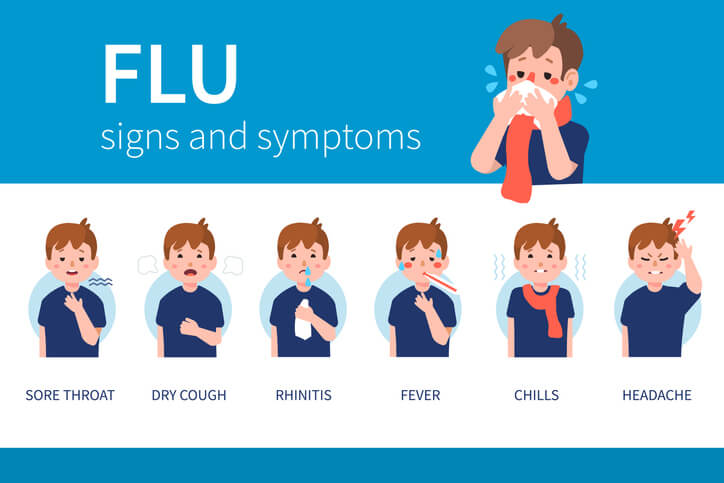
Influenza is a viral infection that spreads easily through respiratory droplets (e.g. coughing, sneezing, talking). As a result, symptoms often come on suddenly and may include:
- Fever and chills
- Muscle aches and fatigue
- Headache
- Cough and sore throat
- Runny nose
Unlike the common cold, however, influenza can result in complications such as pneumonia, sepsis or worsening of chronic medical conditions (e.g. asthma, diabetes, heart disease).
Why Vaccination Is Still Essential in 2026
Preventing Severe Disease
Even in healthy individuals, influenza can cause significant illness. Vaccination reduces the risk of:
- Hospitalisation
- Secondary infections (e.g. bacterial pneumonia, sinus infections, ear infections), and
- Time away from work, school or daily activities.
Protecting the Vulnerable
Some groups are more likely to experience complications from influenza. In addition, vaccination helps reduce transmission to:
- Older adults
- Infants and young children
- Pregnant women
- People with chronic conditions.
Keeping the Health System Functional
Seasonal surges in influenza cases can overwhelm GP clinics, emergency departments and hospitals. By reducing and preventing illness, vaccination helps maintain access to care across the system.
Influenza Vaccines in Australia
There are two types of influenza vaccines currently available in Australia:
- Injectable vaccines (non-live): the most commonly used flu vaccines, suitable for a wide range of age groups
- Intranasal vaccines (live attenuated/weakened virus): given as a nasal spray
Overall, both vaccine types are safe and effective when used in the appropriate age groups and in people with suitable health status.
The intranasal vaccine (FluMist®) is available in Australia this year and is approved for use in children and adolescents aged 2 to under 18 years. It is free for children aged 2 to 5 years, as part of the 2026 QLD Nasal Spray Flu Immunisation Program. Notably, it has been used safely and effectively in millions of children worldwide.
*Important Information about FluMist®: For patients considering the nasal spray flu vaccine, it is important to know that FluMist® contains porcine (pork-derived) gelatin, which is used as a stabiliser to protect the vaccine from temperature changes. We understand this may be relevant for individuals of certain faiths, including those of Muslim or Jewish backgrounds. If you have any concerns, please speak with your GP as alternative flu vaccine options are available.
In 2026, all influenza vaccines are now trivalent (TIV) – meaning 3 virus strains (two Influenza A and one Influenza B) – rather than quadrivalent, aligning with World Health Organisation guidance.
For older adults, enhanced protection is recommended. For those aged 65 years and over, the National Immunisation Program-funded adjuvanted vaccine (Fluad) is preferred over standard vaccines as it provides better protection by boosting the immune response.
Because influenza is a seasonal virus, vaccines are updated each year. Therefore, annual vaccination is required to maintain protection.
Looking After You This Flu Season
When should you get vaccinated?
The ideal time to get your flu vaccine is from April onwards, before the peak season begins. After vaccination, it takes approximately 2 weeks for full protection to develop.
Co-administration with Other Vaccines
Influenza vaccines can be safely given at the same time as most other vaccines, including COVID-19 boosters and routine immunisations. This means fewer appointments and less disruption to your routine.
High-Risk Groups
Some patients are more likely to become unwell with influenza. If this includes you, we strongly recommend getting vaccinated early.
This includes:
- Adults aged 65 years and over
- Young children (aged 6 months to under 5 years)
- Pregnant women (at any stage of pregnancy)
- Aboriginal and Torres Strait Islander peoples
- People with chronic medical conditions or weakened immune systems
If you are unsure whether this applies to you, we are always happy to guide you.
Pregnancy and Influenza Vaccination

If you are pregnant, the flu vaccine is safe any stage of pregnancy and strongly recommended.
It is essentially a “two-for-one” deal as it provides dual protection:
- Protection for the mother against severe illness
- Passive immunity (passing on of protective antibodies through the placenta) for the newborn in the early months after birth, when they are most vulnerable
- Reduced risk of complications associated with influenza infection.
What to Expect from the Vaccine
Most people tolerate the vaccine well. Typically, side effects are mild and short-lived, and may include:
- Soreness at the injection site
- Mild fever or fatigue
A Small Step, Significant Impact
Influenza vaccination is one of the simplest and most effective ways to protect your health and those around you. Ultimately, it is a small step that makes a meaningful difference to both individual and community health.
Book Your Flu Vaccine
Appointments are now available for the flu vaccine at The Practice at Clem Jones Centre.
or contact our reception team to secure your appointment.