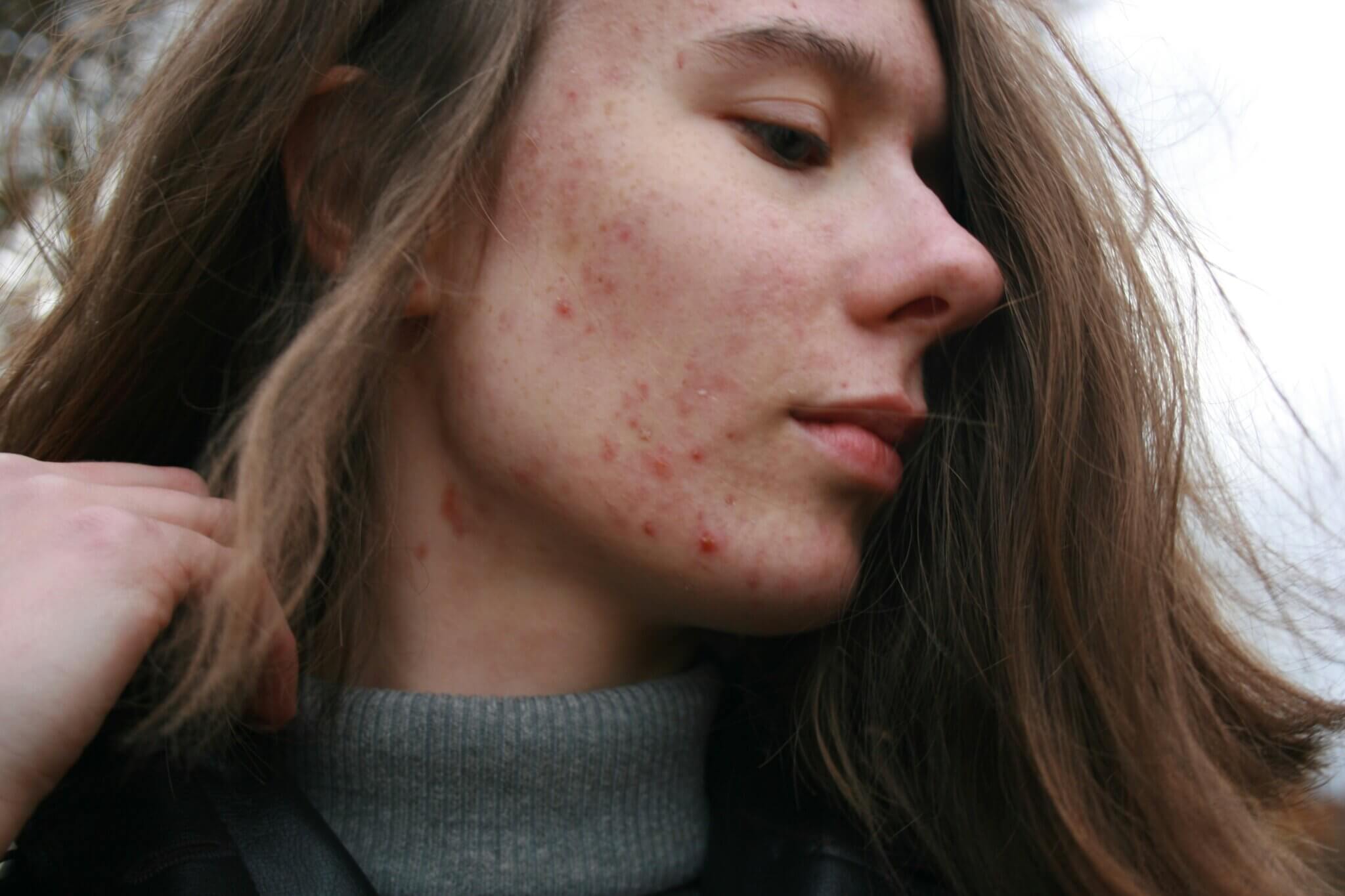
School holidays are here. It’s a great time for teens to recharge, but it’s also a time when many parents are tackling that ‘to-do list’ of health appointments and check-ups. For many teenagers, skin concerns like breakouts and acne can affect their confidence and well-being. Hormonal changes during puberty can lead to oily skin and blemishes, which in some cases lead to scarring.
Acne is common, with more than 90% of 16-18 year old Australian adolescents being affected. Most of the time, it settles on its own, but sometimes it does need to be treated.¹
A simple, consistent skincare routine is the first step. Your specialist GP at Carina can be the first place to get expert advice for healthy skin and when to seek dermatologist help.
The ‘Less is More’ Approach to Teen Skincare
When it comes to teen skincare, a complicated, expensive routine is not necessary. The key is to focus on a few essential steps that are gentle and effective. We recommend a simple three-step approach: Cleanse, Moisturise, and Protect.
This basic routine helps to remove excess oil, keep the skin’s barrier healthy, and protect it from sun damage. You can avoid harsh scrubs, toners, and products with a long list of active ingredients that are more suited for adult skin. Expensive trips to Carindale Mecca are not required!
The Simple Three-Step Routine
Following these three steps twice a day will make a big difference in managing teenage acne and maintaining healthy skin.
As a general rule: a pharmacy brand found or labelled in the acne section are good products. Cheap non – branded, or expensive brands aimed at adults in the anti-aging market are best avoided for teen skin with acne.
Step 1: Cleanse (Twice a Day)
The first step is to use a gentle, pH-balanced cleanser to remove excess oil, sweat, dirt, and bacteria. Your teen should gently massage the cleanser onto their face with lukewarm water, avoiding hot water and harsh scrubbing. They should wash their face in the morning and night, as well as after sweating from sports or exercise.
Step 2: Moisturise (Morning and Night)
Even if your teen has oily skin, it is important to moisturise. When skin is dry, it can overcompensate by producing even more oil, leading to more breakouts. A good moisturiser keeps the skin’s protective barrier healthy and hydrated. Look at the ingredients – it should be lightweight, non-comedogenic (won’t clog pores) and an oil-free moisturiser.
Step 3: Protect (Every Morning)
Sun protection is needed every day, even in winter. Using sunscreen helps to prevent sun damage and can reduce the appearance of post-acne marks. The ingredients you should look for include a broad-spectrum SPF 30+ or higher, a lightweight, non-greasy formula. Encourage your teen to use it daily.
Makeup in teens: final tips
Wanting to cover breakouts, spots and pimples is normal. If your teen is wearing makeup, the following tips can help:
- Use non-comedogenic (won’t clog your pores) makeup when possible
- Remove makeup and cleanse the skin, especially before bed, following the first 2 steps
- Tinted sunscreen may be a good option for day wear.
When to See a GP in Carina about Your Teen’s Skin
Sometimes, a simple skincare routine for teens isn’t enough. Your Carina GP at The Practice at Clem Jones Centre is here to help. You should book an appointment if:
- Your teen’s acne is not improving after a few weeks of a consistent routine.
- Breakouts are severe, painful, or cystic.
- Acne is spreading across the back, chest and arms.
- The skin problems are causing scarring or affecting your teen’s self-esteem and mental health.
- You’re unsure about what products to use or have questions about specific treatments.
- The skin is red, irritated, or painful from using products.
GPs are trained to assess skin conditions and can provide evidence-based advice, prescriptions for topical or oral treatments (like benzoyl peroxide or retinoids), or refer you to a dermatologist if needed. Seeking help early can prevent scarring and long-term issues.
Healthy teen skin is about consistency and a simple, effective routine. The school holidays are a great opportunity to start these healthy habits together. If you have any concerns about your teenager’s skin, or if their skin is impacting their confidence, don’t wait. Book an appointment with one of our experienced GPs in Carina today. We are here to help and can provide a personalised plan for your teen’s skin health.
1.Gebauer, K. ‘Acne in adolescents’ Australian Family Physician Volume 46, Issue 12, December 2017