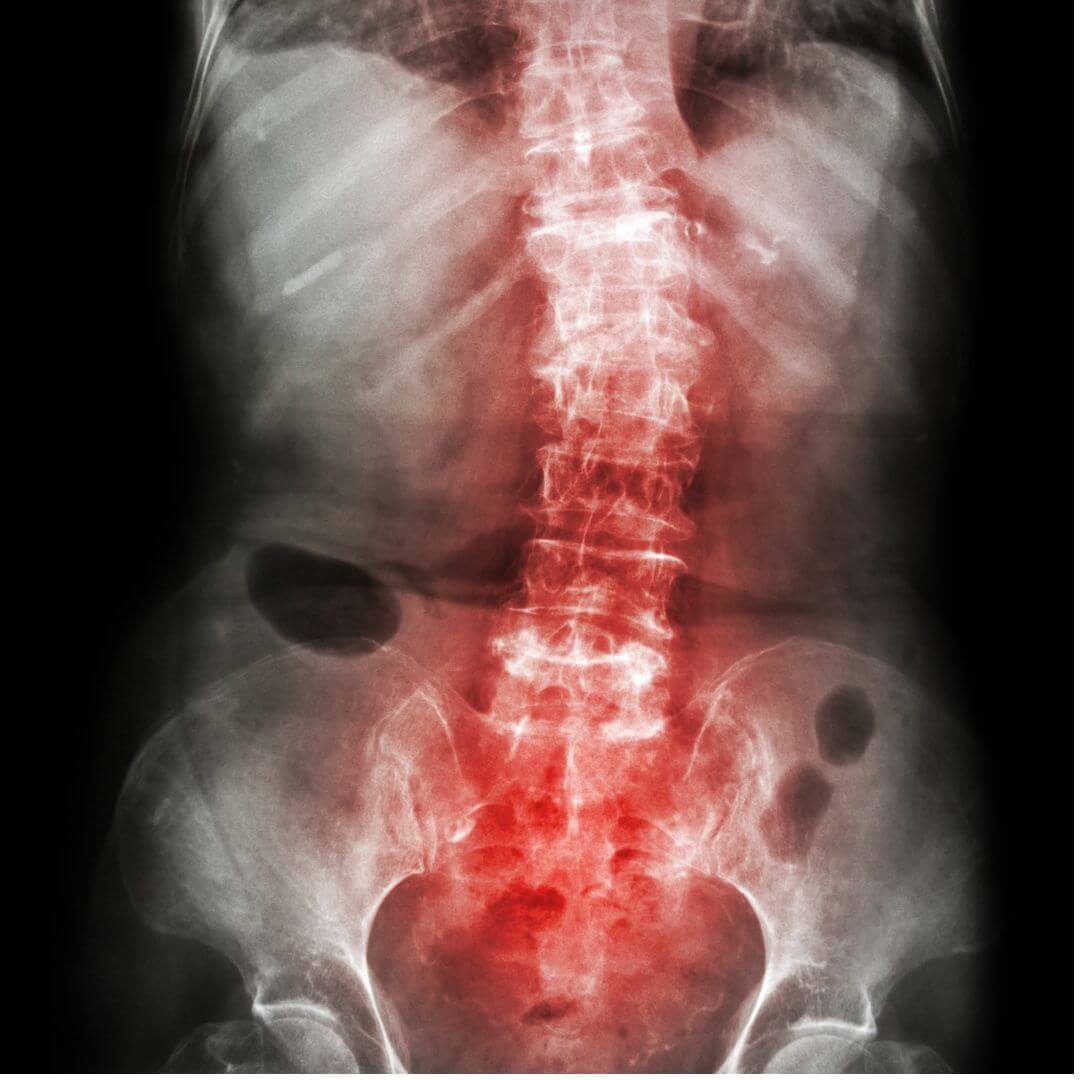
What is Osteoporosis?
Osteoporosis is a condition where your bones become weak and fragile, making them more likely to break or fracture, even from minor falls or bumps. Most people don’t feel symptoms until a fracture happens, which is why it’s often called a ‘silent disease.’
This is why screening is so important.
The risk of developing osteoporosis increases significantly with age and is more common in women. For example, over 1 in 4 women aged 75 and over are affected by osteoporosis .
Diagnosis and Risk Factors of Osteoporosis
Osteoporosis is diagnosed on a Bone mineral density scan (BMD). A BMD scan is a simple, painless test that checks how strong your bones are. It’s a bit like an X-ray, but it uses very low levels of radiation to measure how much calcium and other minerals are in your bones. The more minerals, the stronger your bones usually are.
The result will tell you if your bones are healthy, getting weaker (a condition called osteopenia), or already fragile (osteoporosis).
Current guidelines recommend having a BMD scan if:
- You are >70 years old
- Are between 50-70 years old with risk factors*
- Develop a fracture from minimal trauma
*Risk factors include:
Non-modifiable
- Age ≥ 70 years
- Parent with hip fracture
Lifestyle
- Falls/poor balance
- Low physical activity/immobility
- Low body weight
- Low muscle mass
- Protein/calcium malnutrition
- Vitamin D deficiency
- Smoking/alcohol > 2 std drinks/day
Diseases/Conditions
- Early menopause
- Hypogonadism
- Coeliac disease
- Rheumatoid arthritis
- Primary hyperparathyroidism
- Hyperthyroidism
- Diabetes
- Chronic liver or moderate/severe kidney disease
- Myeloma
- Organ/bone marrow transplant
- HIV
Medications
- Glucocorticoids ≥ 4 months (prednisolone dose ≥ 7.5mg/d)
- Excess thyroid hormone replacement
- Androgen deprivation therapy
- Aromatase inhibitors
Source: RACGP
If you fall into any of the above categories, please book an appointment with us so we can discuss your risk and refer you for a BMD scan.
What can you do to prevent osteoporosis?
Ensure you are getting enough calcium in your diet
https://healthybonesaustralia.org.au/your-bone-health/calcium/
Get enough Vitamin D
https://healthybonesaustralia.org.au/your-bone-health/vitamin-d-bone-health/
Quit smoking and quit or at least reduce your alcohol intake
https://www.health.gov.au/topics/smoking-vaping-and-tobacco/how-to-quit
https://www.health.gov.au/topics/alcohol/about-alcohol/how-can-you-reduce-or-quit-alcohol
Do regular weight based/resistance exercises
https://healthybonesaustralia.org.au/your-bone-health/exercise-bone-health/
Questions or concerns about what your GP can do for Osteoporosis?
Book now with one of our specialist General Practitioners if you have any questions or concerns about diagnosis or prevention of osteoporosis.