
Men’s Health & Preventative Care Guide
For men over 50, maintaining preventative health is crucial for longevity and quality of life. This guide outlines key screenings, vaccinations, lifestyle habits, and health concerns based on current Australian guidelines.
General Health Priorities
Heart Health
- Regular blood pressure & cholesterol checks
- Exercise regularly
- Maintain a heart-healthy diet rich in whole grains, lean proteins, and healthy fats
Diabetes Prevention
- Monitor blood glucose levels
- Maintain a healthy weight
- Reduce processed sugars and refined carbs
Mental Well-being
- Stay socially connected
- Manage stress and seek professional support when needed
- Regular mental health check-ins
Bone Strength
- Engage in weight-bearing exercises
- Consume 1,000–1,300mg calcium daily
- Ensure adequate vitamin D intake
- Incorporate resistance training
Lung Health
- Quit smoking
Digestive Health
- Eat a fiber-rich diet (whole grains, fruits, legumes)
- Include probiotics to support gut health
Sleep Health
- Prioritize 7–9 hours of sleep
- Avoid late caffeine/screen time
- Address sleep apnoea concerns
Medication Management
- Annual reviews with a GP to prevent interactions and side effects
Essential Health Screenings
Bowel Cancer Screening
- FOBT every 2 years (age 50–74)
- Expanding to ages 45+ in 2024
Prostate Health
- Discuss PSA testing with a GP from age 50 (earlier if family history)
Bone Density Scan
- Every 2–5 years for men at risk of osteoporosis
Lipid Profile
- Check cholesterol & triglycerides
- Every 5 years for low-risk individuals
- Annually for high-risk patients
Kidney Function Test
- Important for diabetes or hypertension patients
Lung Cancer Screening
- from age 50
Skin Cancer Checks
- Annual skin checks recommended
Hearing Health
- Screening from age 65
Eye Exams
- Regular screenings for glaucoma, cataracts, and macular degeneration
Vaccinations (Australian Guidelines)
Influenza Vaccine
- Annual for all adults 65+
Pneumococcal Vaccine
- 70+ (or 50+ for Aboriginal/Torres Strait Islander men)
Shingles Vaccine
- 65+ (or 50+ for Aboriginal/Torres Strait Islander men)
- Shingrix preferred
Diphtheria, Tetanus, and Pertussis Booster
- Every 10 years if last dose was over a decade ago
COVID-19 Vaccine
- Annual booster for 65+
- Additional doses based on health risks
RSV Vaccine
- 60+
Physical Activity Guidelines
Adults (18-64 years)
- Either:
- 2.5-5hrs of moderate intensity activity
- 1.25-2.5hrs of vigorous intensity activity
- An equivalent combination of moderate and vigorous activities
- Include muscle strengthening activities
- Some is better than none
- Limit time sitting and lying down
Older Adults (65 years and over)
- At least 30 minutes of moderate intensity physical activity on most, preferably all, days
- If 30 minutes is difficult right now, start with just 10 minutes once or twice a day
- If you can do more than 30 minutes, you will get extra benefits
- Try to incorporate different types of activities
- Fitness
- Strength
- Flexibility
- Balancing
- Try to reduce the time you spend sitting down – break that up as often as you can
Choose health, be active – a physical guide for older Australians
Available through The Australian Government Department of Health, Disability and Aging.
This booklet helps older Australians get enough physical activity to be healthy as they age. It is mainly for people who are not building 30 minutes of physical activity into their daily lives, and are looking for ways they can do so.
Falls Prevention & Mobility
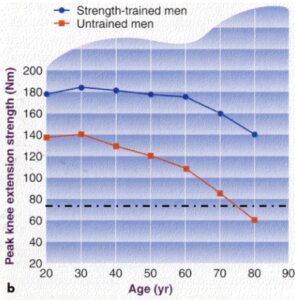
Age-related decline in muscle mass
- 3-8% per decade from 30-80 years
Strengthening and balance exercises
Proper footwear
Vision checks
Home safety modifications
- Hand rails, adequate lighting, clear walkways
Medication Management & Chronic Disease Care
Annual medication reviews
- Prevent interactions & side effects
Limit over-the-counter medications
- Ensure safe usage for chronic conditions
GP Chronic Condition Management Plan (GPCCMP)
- Medicare-funded structured care plan for chronic conditions
- Access Medicare-funded allied health visits
- Physiotherapy, dietetics, podiatry etc
Additional Health Considerations
Sleep Health & Apnoea
- Prioritize 7–9 hours of sleep
- Avoid late caffeine/screen time
Cognitive Health & Dementia Prevention
- Brain exercises, regular social engagement, and a Mediterranean-style diet
Sexual & Reproductive Health
- Monitor testosterone levels
- Discuss prostate health
- Address erectile dysfunction concerns
- Continence
Digestive Health & Gut Microbiome
- High-fiber foods (whole grains, fruits, legumes)
- Probiotic intake supports digestion
Social Well-being
- Engage in Men’s Sheds, volunteering, or community activities
Where to Get Help
📌 GP Consultation
- For screenings, vaccinations, and chronic disease management
📌 Community Health Programs
- Local initiatives supporting mental health & social connections
📌 Australian Health Websites
- Men’s Health Australia
- Preventive Health Research
This concise health guide is tailored for Australian men 50+, covering preventative care and key screenings. Regular health check-ups and lifestyle adjustments lead to better long-term well-being.
Health Talk Series
This blog is from our monthly in person events being run at Carina Leagues Club. Each month we focus on a different health topic.
For more information or to join us in person click here: