Understanding the New Lung Cancer Screening: Who Should Get It?
At The Practice at Clem Jones Centre, we are committed to keeping you informed about the latest advances in preventive health care.
One of the most important recent developments is the introduction of the National Lung Cancer Screening Program (NLCSP), which started on 1 July 2025.
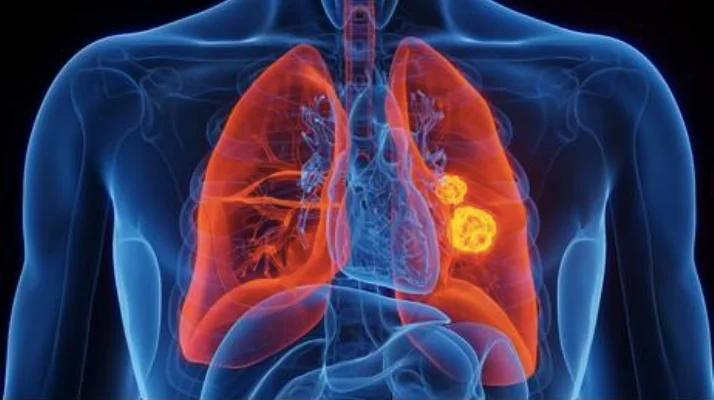
The program offers eligible patients a low dose CT scan of their lungs which will help detect lung cancer earlier, improving treatment outcomes and saving lives.
Who should be screened?
The NLCSP is available people at high risk of lung cancer. To be eligible for screening you must:
- be 50 to 70 years old
- have a significant smoking history, defined as at least 30 pack-years (a pack-year equals smoking one pack of cigarettes per day for one year)
- currently smoke or have quit within the past 10 years
- show no symptoms of lung cancer (such as persistent cough, coughing up blood, or unexplained weight loss)
Your GP can help calculate your pack-years and assess your eligibility.
If you have any of the symptoms suggestive of lung cancer, you should see your doctor promptly rather than rely on screening.
What is Low Dose CT Lung Cancer Screening?
Low dose CT lung screening is a quick, painless imaging test that uses a small amount of radiation to create detailed pictures of your lungs. Better than traditional chest X-rays, LDCT scans can detect lung cancers at earlier, more treatable stages, often before symptoms appear. This early detection significantly improves survival rates.
Why is Screening Important?
The program aims to save thousands of Australian lives over the next decade.
How to Access Screening
Screening can be ordered by your GP, who will guide you through the process and follow-up as needed.
At The Practice at Clem Jones Centre, we encourage patients who meet these criteria or have concerns about lung health to book an appointment. Early detection is key to better outcomes, and we are here to support you every step of the way.
Protect your lungs, protect your life—talk to your GP today about low dose CT lung cancer screening.