Recognising Concussion Symptoms and Prevention in Athletes
On February 26th, Dr Tess and Physiotherapist Alex hosted the first seminar in our new Health Talks series. The goal of this presentation was to help parents, coaches and athletes recognise the red flags of a concussion and understand proper management strategies. If in doubt, sit them out! It is better to exclude a player from the field, rather than missing a concussion and causing catastrophic consequences.
What is a Concussion?
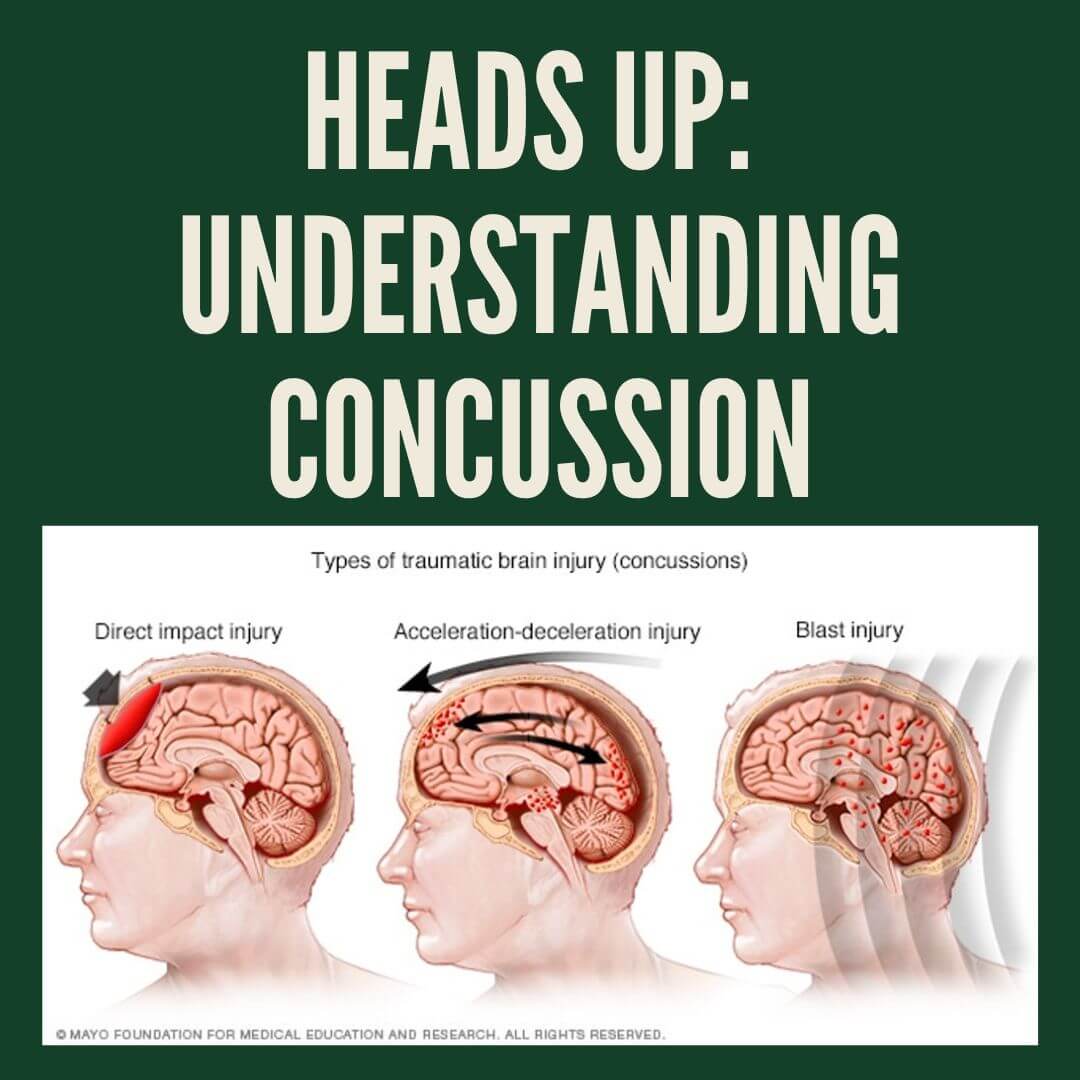
A concussion is a form of traumatic brain injury (TBI) caused by bio-mechanical force, often due to a direct impact on the head or body. This results in the brain moving within the skull, leading to:
- Changes in brain cell and blood flow
- Swelling in the brain
- Short term symptoms that typically resolve within 7-14 days
Symptoms of a Concussion
A concussion can present with a variety of symptoms, categorised into critical, obvious and subtle signs. It is important to remember that all of these result from SWELLING IN THE BRAIN:
| CRITICAL signs/symptoms | OBVIOUS signs/symptoms | SUBTLE signs/symptoms |
| Neck pain | Loss of consciousness | Headache, “pressure in the head” |
| Increasing confusion, agitation, irritability | No protective action in fall observed | Neck pain |
| Repeated nausea or vomiting | Seizure-like or jerky movements | Nausea or vomiting |
| Seizure or convulsion | Confusion, disorientation | Nausea or vomiting, |
| Weakness/tingling in limbs | Memory impairment | Dizziness, balance problems, blurred vision |
| Deteriorating conscious state | Unsteady on feet or balance problems | Sensitivity to light, noise; ringing in the ears |
| Severe or increasing headache | Athlete reports new or worsening problems | Feeling slowed down, in a fog |
| Unusual behaviour change | Dazed, looking blank/vacant | “Don’t feel right” |
| Double vision | Changed behaviour- irritable, anxious, emotional | Difficulty concentrating, remembering |
| Fluid or blood draining from nose or ears | Loss of consciousness >30s | Fatigue, low energy, drowsiness |
| Head bumps or bruises, especially behind the eyes or ears | Slurred speech | Confusion |
| Emotional, irritable, sad | ||
| Nervous or anxious |
Why is Recognising a Concussion Important?
Ignoring a concussion can lead to serious long-term health effects, including:
- Post concussion syndrome: symptoms persisting beyond 3 months, affecting up to 15% of people. Risk factors include female gender, increasing age and previous concussion.
- Chronic traumatic encephalopathy (CTE): a degenerative brain condition caused by repeated head injuries, leading to aggression, memory loss and mood disturbances. It has been associated with second impact syndrome (see next point).
- Second impact syndrome: A second concussion before the first has healed can cause rapid brain swelling and lead to permanent disability or death.
- Unknown effects on the developing brain: The brain continues maturing until the mid-20s, making children and young adults particularly vulnerable.
Concussion in Sports: Athletes in the News
Several high-profile athletes have been medically retired due to concussions, including Angus Brayshaw, Will Pucovski and Boyd Cordner. Tragically, cases such as Antonio Ioiacono and John Bilbija highlight the dangers of second impact syndrome and early-onset dementia linked to multiple concussions.
Athletes with suspected CTE, such as Kayleb Minirapa Milne, have shown aggressive and violent behavioural changes associated with multiple head injuries.
How to identify a concussion:
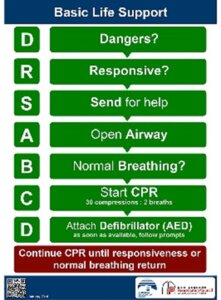
If an athlete sustains a head injury, they should be assessed immediately. If unconscious, follow DRSABCD (Danger, Response, Send for help, Airway, Breathing, CPR, Defibrillator).
An athlete is down – what do we do?
- Check for response
- Ensure a clear airway
- Protect the C-Spine
- Manual inline stabilisation
- Control bleeding
- If unresponsive and not breathing –> DRSABCD
Use the Concussion Recognition Tool 6 to identify a suspected concussion. Call an ambulance immediately if any of these RED FLAG symptoms occur:
- Neck pain or tenderness
- Seizures or convulsions
- Loss of vision or double vision
- Loss of consciousness or deteriorating conscious state, increased confusion
- Increasing restlessness, agitation, or combative behaviour
- Weakness/numbness/tingling in more than one arm or leg
- Repeated vomiting
- Severe or increasing headache
- Visible deformity of the skull
Management: What to Do if a Concussion is Suspected
6 steps for the Team Clinician / First Aider:
- Look for suspected head impact event
- Look for athlete’s immediate response (0-2s)
- ? Fall ? Unstable on feet
- Look for subsequent response (2-5s)
- ? Seizure-like activity
- Watch for athlete’s late response when returning to feet
- Assess coordination
- Watch the athlete’s behaviour on return to sport
- Observe the responses of other athletes and match officials
The athlete has a Concussion or a SUSPECTED concussion. What happens next?
The Australian Institute of Sport (AIS) recommends that any athlete with suspected concussion must be removed from play and undergo medical assessment.
- This advise is UNIVERSAL, regardless of the sport
- Minimum criteria for diagnosing concussion are:
- A thorough assessment looking at loss of consciousness, symptoms, cognition, neurobehavioural symptoms and balance – with any abnormality being a potential sign of concussion.
- A Concussion Assessment using the SCAT6 for adults or Child-SCAT6 for children aged 5 – 12 years. Note: the diagnostic utility of the SCAT decreases 3-5 days post-concussion.
Graded Return to Sport
All athletes with a head injury need a graded return to sport.
- Day 0 – head injury. Recognise and remove from play. Rest for 24-48 hours. No contact sports. Avoid the training environment.
- Day 2-3 – Resume daily activities.
- Day 3-4 – Seek medical assessment.
- 14 Days symptom-free – Medical review for clearance to return to contact and high risk activities.
- Day 21 – Return to competition only if symptom-free for at least 14 days.
Medical Assessment for Concussion
Immediate Assessment:
- Observable signs
- Glasgow Coma Scale (GCS)
- C-Spine assessment
- Coordination/Ocular/Motor screen
- Memory assessment
Off Field following Immediate Assessment:
- History of injury
- Symptoms
- Orientation
- Memory
- Concentration
- Coordination/balance
A full medical review in a controlled office environment should occur within 72 hours following a sport-related concussion.
- History
- Injury, management, previous traumatic brain injury
- Family history
- Symptom evaluation
- Verbal cognition, memory
- Examination
- Neurological, balance, gait
- Vestibular/Ocular-Motor
- Mental health screening
- Sleep disturbances
How Coaches and Parents Can Help
For Coaches:
- Conduct baseline assessments before the season.
- Document injuries and concussion, refer athletes for medical review
- Enforce return-to-play protocols
- Ensure proper headgear and mouthguard use
- Advocate for concussion education and awareness
For Parents:
- Recognise when an injury has occured
- Support coaches in removing players from the field
- Seek medical review within 72 hours
- Monitor for symptoms and red flags
- Follow 21-day exclusion rule for safe recovery
- Support a gradual return to physical and mental activities
Legal Considerations in Sports
With rising awareness, more athletes are seeking compensation for premature return-to-play decisions. A simple search for “Sports Concussion Lawsuits” yields millions of results, highlighting the importance of following proper protocols.
Final Takeaway: If in Doubt, Sit Them Out!
HeadCheck is an evidence-based concussion app that is available on the App Store and Google Play, that has been developed by the Murdoch Children’s Research Institute (MCRI). It is an easy to use concussion education and recovery support tool for use in adults and children.
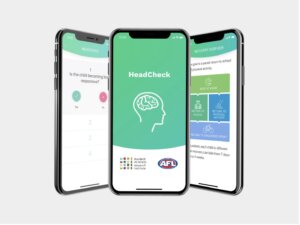
The HeadCheck app
The potential severity of a concussion cannot be underestimated. Early removal from play and proper management prevent life-threatening consequences. Stay in touch with your GP, sports coaches and physiotherapists to navigate recovery safely.
Health Talk Series
This blog is from our monthly in person events being run at Carina Leagues Club. Each month we focus on a different health topic.
For more information or to join us in person click here: