How to manage asthma
The March seminar for our Health Talks series, Practical Medicine: Empowering Women, Families, and Athletes, was “Breathe Easy: Asthma Management Tips”. This was presented on 25th of March. In this presentation, Dr Tess discussed how asthma affects the body and causes disease, the signs and symptoms of asthma, how to diagnose asthma, and current treatments for asthma.
What is Asthma?
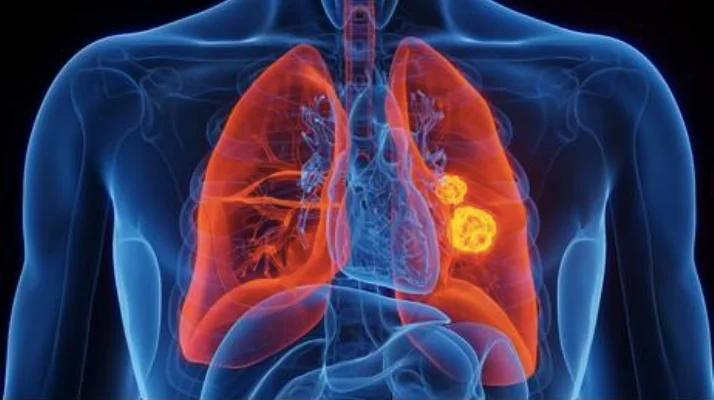
Asthma is a chronic lung condition that affects breathing. It causes reversible airway obstruction and bronchospasm of the smaller airways. As airways become narrower through an inflammatory process, it becomes more difficult to move air through the airways. Airways become sensitive, and can be easily triggered into an inflammatory state.
There is no cure for asthma, but it can be well controlled and well managed with appropriate medical interventions.
Asthma can be allergic OR non-allergic
- Allergens, irritants, temperature, infections
There is a genetic or inheritable component to asthma, and it often comes with coexisting atopy.
Atopy – a quick note
Genetic predisposition to an exaggerated immune response to allergens
Atopic triad: Atopic dermatitis (skin) Asthma (airways) Allergic rhinitis (nasal mucosa)
Pathology
- Trigger i.e. allergen, temperature change, virus, etc.
- Cytokines (proteins) cause inflammation of small airways
- Airways tighten – a small muscle in the walls of the airway contracts, causing the airway to narrow
- Airways thicken – the lining of the airways gets inflamed, further narrowing the tubes
- Airways fill up – mucus is secreted by the cells lining the airways, further blocking them
Asthma in Australia
Asthma affects 11% of Australians (2.8 million in 2022), causing 2.5% of all disease burden. It is the leading cause of total disease burden in children 1-14 years old.
Boys > girls (10%. 6.2%)
There has been no change in incidence over last 20 years
There is an increased risk toward outer areas of cities vs inner city (12% vs 6%). For example, the suburb of Carina has about a 6-7% prevalence in children aged 5-14 years old, where as Logan has around 10% prevalence. This number falls to below urban levels in more rural areas.
There is an increased risk to the child if the mother is a smoker while pregnant, if there is smoking around babies or children, for babies with low birth weight, or after years of intensive training in athletes.
In 2022-23, over 31,000 Australians were hospitalised for asthma. Over 90% of those hospitalisations were potentially preventable with optimised care in the community.
Signs and Symptoms of asthma
Sign = observable finding Symptom = subjective experience
- Cough – ongoing, worse at night or with exercise
- Wheeze – whistling or squeaky sounds
- Shortness of breath – can’t catch your breath
- Chest tightness – something sitting on your chest
- Difficulty breathing – what to look for in younger children
- Increased work of breathing – using parts of body to help them breathe i.e. shrugging shoulders, yummy pumping up or down, muscles between the ribs sucking in when breathing in, neck sucking in when breathing in
- Increased respiratory rate
- Increased heart rate
- Not able to talk in full sentences without needing to take a breath
Signs and symptoms worsen as the asthma attack progresses
Normal Vital Signs by Age
| Age | <1 year | 1-4 years | 5-11 years | >12 years |
| Respiratory Rate (Breaths per minute) | 21-45 | 16-35 | 16-30 | 16-25 |
| Heart Rate (beats per minute) | 100-159 | 90-139 | 80-129 | 60-119 |
A respiratory or heart rate under or over this range is considered abnormal.
Diagnosing Asthma
Asthma is usually only diagnosed over 5 years of age. The gold standard diagnostic investigation is a breathing test through a spirometer machine. This measures how much air you can breath in and out of your lungs.
Once Asthma has been diagnosed, patients typically start a treatment trial to see how much the symptoms improve. Often allergy testing will be done to identify any triggers.
Common questions to ask to assist in diagnosis
- How often/when do you have symptoms
- How many days of the week do you have symptoms?
- How many times a day?
- What helped the symptoms?
- How long did they last, and did they change over time?
- Do you have a family history of asthma or allergies?
- Do you have a video or audio of the breathing?
What is “reactive airways”?
A term used to describe asthma-like symptoms, especially in infants and children too young to do Lung Function testing.
Causes and Triggers of Asthma
- Colds, flu, viruses
- Hayfever, pollen
- Change in weather or temperature
- Exercise and sport
- Smoke – wood heaters, woodfires, bushfires
- Strong smells/scents
- Cigarette smoke
- Emotions and mental health
- Dust mites
- Pests
- Animals and pet dander
- Flooding and mould
- Thunderstorm asthma
- Trees, plants, gardening
- Gas appliances
- Dust and dust storms
- Foods
* Dairy is not known as a trigger for asthma
A Quick Note on Thunderstorm Asthma and Bushfires
Thunderstorm Asthma
- High pollen load in the air
- Hot, dry, windy, stormy weather (spring to December)
- Pollen is breathed into lungs
- Worse if sensitive to grass pollens, or have seasonal hay fever
Bushfires
- Increased air pollution – smoke and ash particles
- High emotions – stress and anxiety
Managing Asthma
- Development of symptoms of concern
- Medical Review with your local GP
- Diagnosis – either with asthma-like symptoms if <5 years old, or through lung function testing
- Management – trigger avoidance, medication
- Helpful information – resources and asthma fact sheets
Action Plans
Asthma action plans are written guides designed to outline each individual patient’s management strategy, including recognising worsening symptoms, when to take medications, and when to seek emergency care. These are typically drawn up in conjunction with the patient’s own GP.
Asthma Medications
Relievers – these work quickly to make breathing easier by making the airways wider. They are taken for control of symptoms during exacerbations of asthma.
- Salbutamol (Ventolin) – the blue puffer
Preventers – these reduce inflammation, swelling, and mucous in the airways of the lungs. Preventers need to be taken every day, even when you are well.
- LABA/SABA – long-acting beta-agonists/short-acting beta-agonists
- ICS – inhaled corticosteroids
All puffers should be used via a SPACER. These devices help medications get to where they are needed, in the small airways of the lungs.
Asthma and Immunisations
Viral and some bacterial illnesses can be triggers for asthma. The best way to prevent some of these illnesses is through immunisation, especially:
- Influenza
- Pneumococcal disease
- Covid-19
- RSV
Health Talk Series
This blog is from our monthly in person events being run at Carina Leagues Club. Each month we focus on a different health topic.
For more information or to join us in person click here: